
Where to see the best autumn leaves in Victoria
Autumn is one of the most spectacular times of year. But not just for the stunning colours — for the fascinating science behind why the leaves change colour.
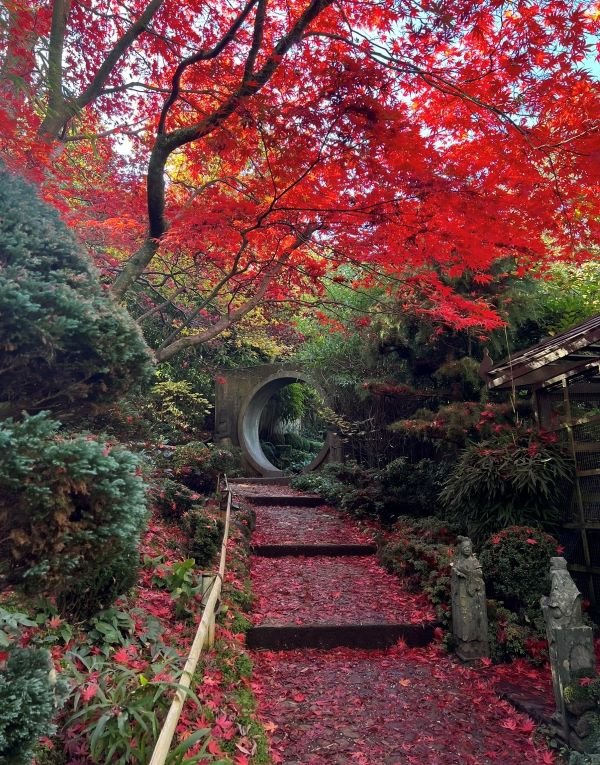
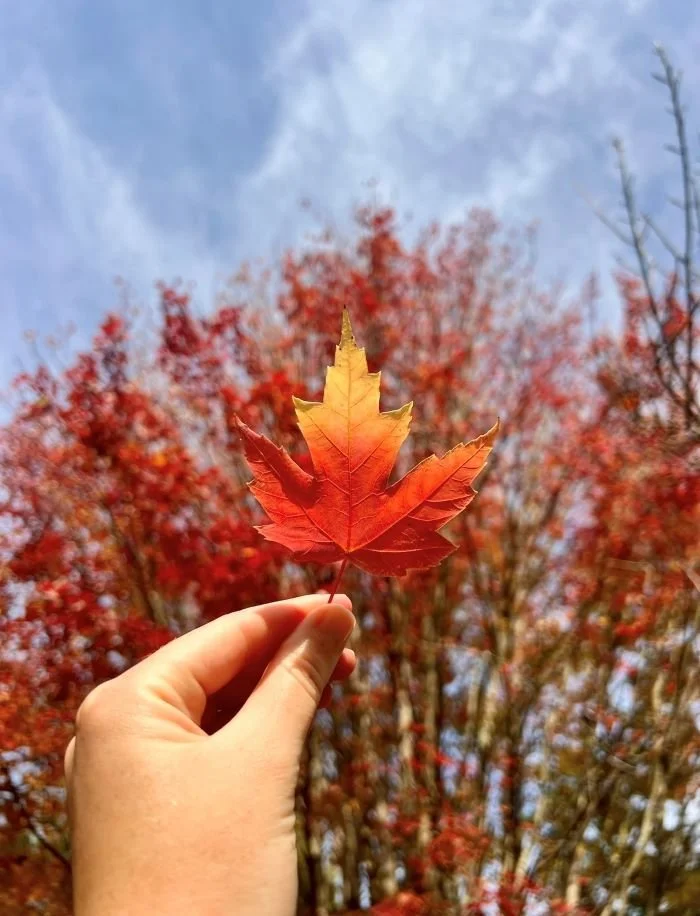
Why do leaves turn red in autumn?
To answer this we first need to understand why leaves are green.
During spring and summer, leaves appear green because of chlorophyll. This green pigment is what enables photosynthesis, which is the process of converting sunlight to sugar and is how plants grow.
During winter, deciduous plants enter a dormant phase during which they don't produce chlorophyll anymore. As the temperatures cool and the days get shorter, plants are triggered to stop making chlorophyll and prepare for winter.
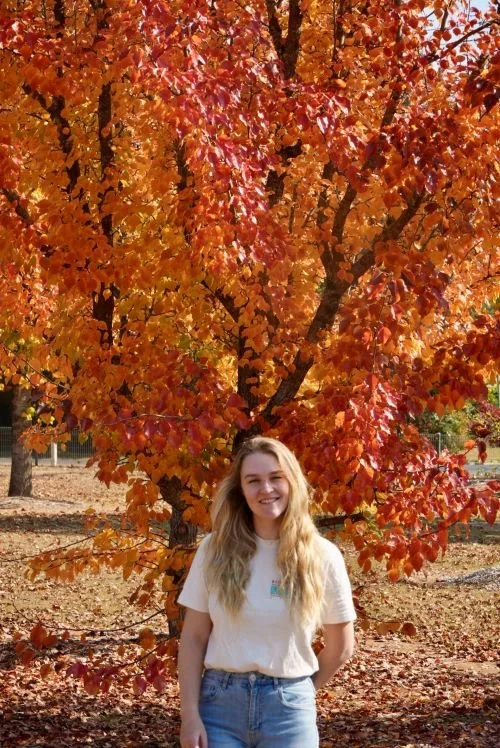
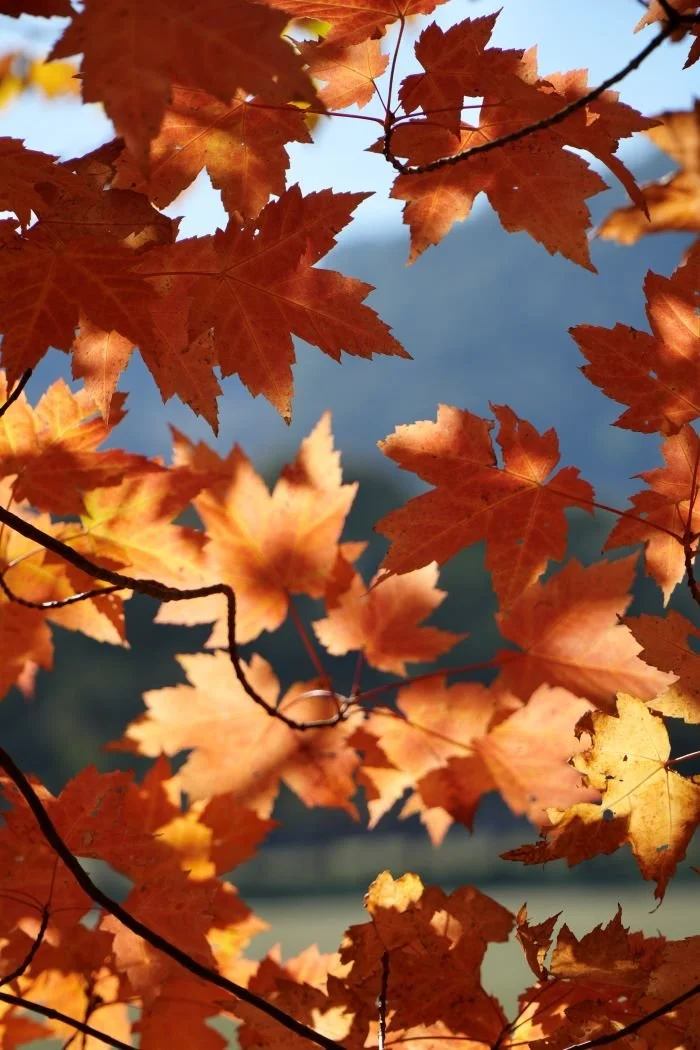
But chlorophyll isn't the only colourful pigment in a leaf — it's just the most dominant. When the chlorophyll production stops, we are then given the opportunity to see the other beautiful pigments. The yellows and oranges, produced by a pigment called carotenoids and the red and purples by another type of pigment, anthocyanin. The colours’ production is influenced by the light levels and sugar concentration in leaves. Bright days and cool nights typically intensify red colours.
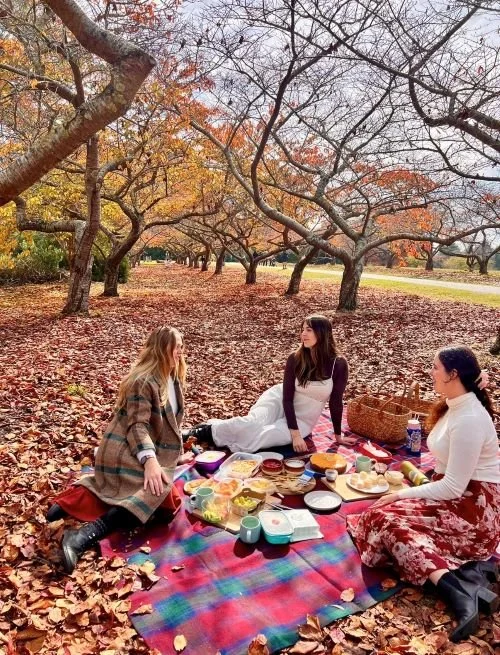
The ultimate Victorian autumn leaf location guide
Yarra Valley and Dandenong Ranges
This region combines cool-climate gardens with misty forest backdrops.
• Maroondah Reservoir
• Healesville township
• R.J. Hamer Arboretum
• Alfred Nicholas Gardens
• Dandenong Ranges Botanical Garden
Nature fact: Many ornamental deciduous trees in the Dandenongs are Northern Hemisphere species introduced in the 19th and 20th centuries, which is why the colour display is particularly concentrated in curated gardens.
Melbourne CBD
Urban green spaces provide accessible autumn colour within the city grid.
• Carlton Gardens
• Royal Botanic Gardens Victoria, Melbourne Gardens
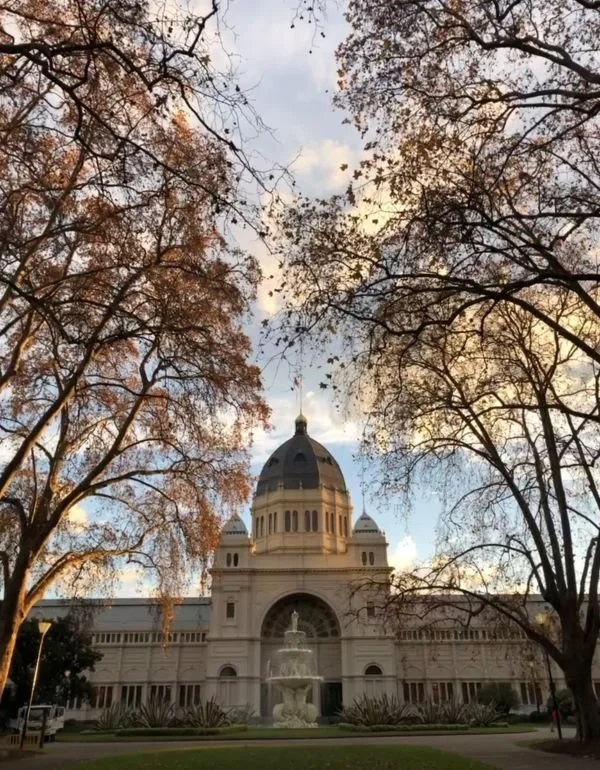
Carlton Gardens in autumn
Nature fact: The Urban heat-island effect of the city, may slightly delay leaf colour change compared to surrounding regional areas due to the urban heat island effect, so autumn leaf colours may occur later in the season.
Daylesford and Macedon Ranges
Cooler temperatures and heritage tree avenues make this one of Victoria’s most reliable autumn regions.
• Valley of Liquid Ambers
• Mount Macedon township and Avenue of Honour
• Wombat Hill Botanic Gardens
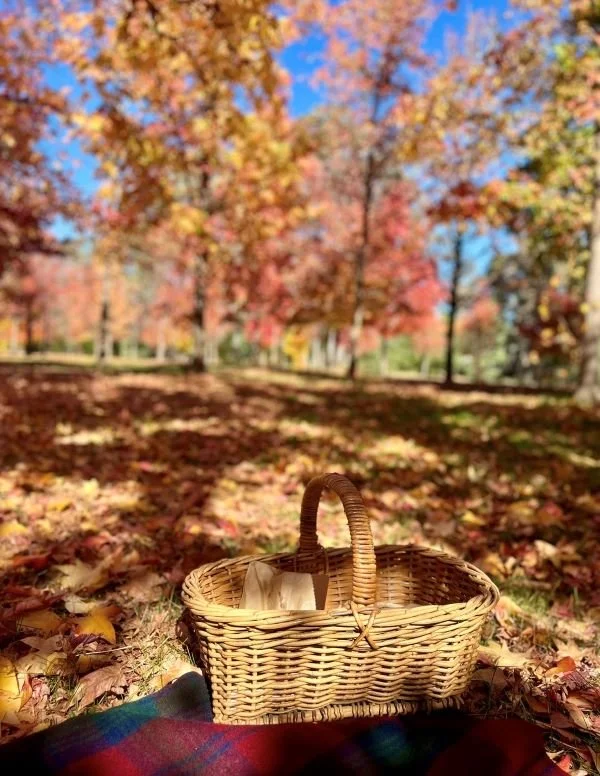
Valley of Liquid Ambers
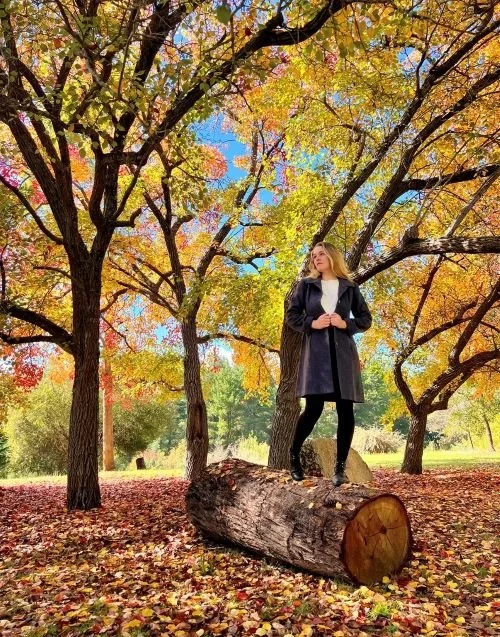
Nature fact: Liquidambar styraciflua (American sweetgum) is famous for displaying several autumn colours on a single tree. Individual leaves change at different rates as chlorophyll breaks down, revealing varying concentrations of yellow, orange, red, and purple pigment
Gippsland
Historic towns and botanic gardens offer quieter autumn scenes away from the usual hot spots. Gippsland autumn locations are a local secret!
• Moe Botanical Gardens
• Walhalla historic township
• Buchan township and surrounds
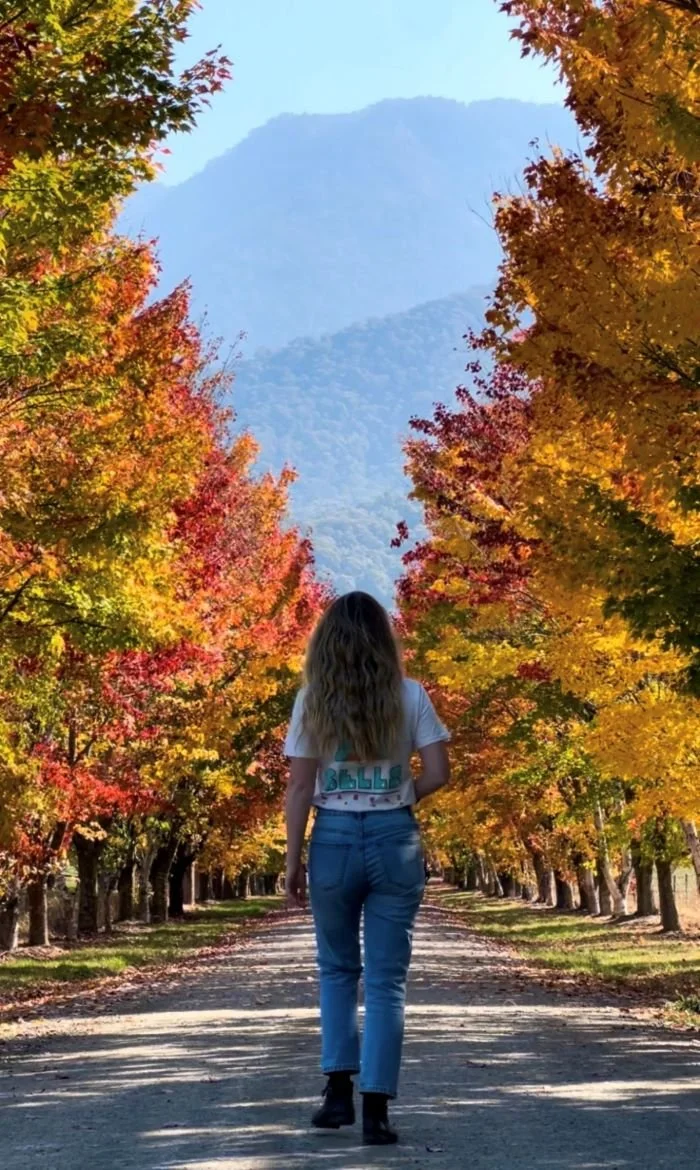
Victoria’s High Country
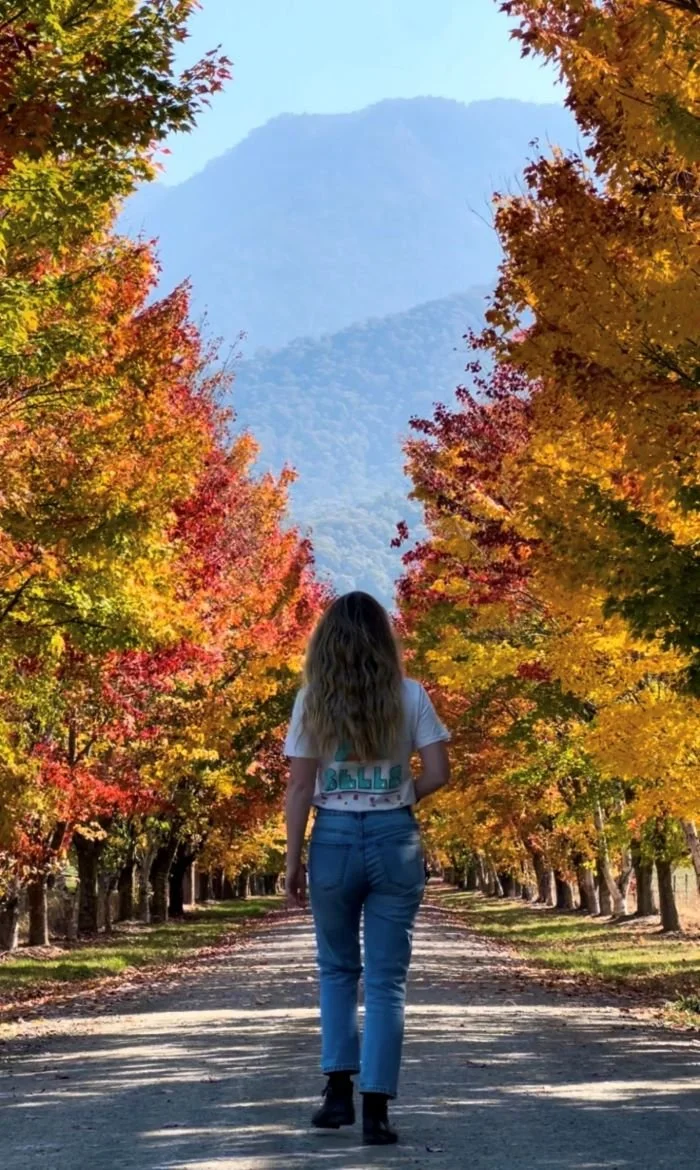
For the most dramatic autumn landscapes, elevation is key. Victoria’s High Country is the autumn colour gem of the season.
• Bright
• Mount Beauty
• Bogong
• Beechworth
• Harrietville
Leave no trace this autumn
Autumn draws significant visitor numbers to regional towns and sensitive natural areas. Stay on paths, respect private property, and take all rubbish with you. Seasonal beauty depends on ongoing care and community stewardship.
Frequently asked questions about autumn colours in Victoria
When is the best time to see autumn leaves in Victoria?
Generally from late March to mid May. Higher elevations tend to peak later than metropolitan Melbourne.
Why do some trees turn red while others turn yellow?
Yellow and orange tones come from carotenoids already present in leaves. Red tones are produced by anthocyanins, which are synthesised in autumn under specific light and temperature conditions.
Does Australia have native trees that change colour in autumn?
Most native Australian trees are evergreen and do not display strong autumn colour. The most vivid displays in Victoria are from introduced deciduous species. Australia is only home to one native deciduous tree called the Deciduous Beech Nothofagus gunnii which grows in Tasmania. You can read more about this species here.
Where are the most reliable autumn colours in Victoria?
The High Country, particularly Bright and surrounding alpine towns, is widely regarded as the most consistent for peak colour due to elevation and climate.
Thanks for reading friends — enjoy exploring our world x