
Must-see stops on the Great Ocean Road
The best nature activities to do along the Great Ocean Road
The Great Ocean Road is often framed as a scenic drive.
But some of its most beautiful views lie in what you see when you step out of the car.
This ancient coastline holds layered ecological stories, from bioluminescent insects to ancient limestone formations. Below is a curated guide to nature-based experiences along the route, along with some snapshot science to help you understand this epic region while you explore.
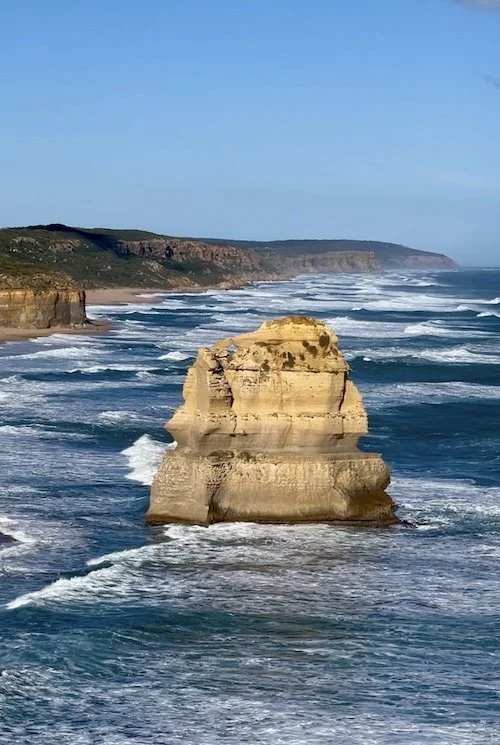
Walking beyond the lookout at the Twelve Apostles
It is easy to stand at the main viewing platform of the seven remaining apostles, take the photo, and move on.
But the real story of this coastline is not static. It is constantly changing, shaped by the force of the Southern Ocean.
Taking the time to walk sections of Port Campbell National Park, or down Gibson Steps to stand at the foot of an apostle, shifts your perspective. You will begin to see the cliffs not as fixed landmarks, but as temporary forms in the much longer environmental process – erosion.
Snapshot science
Most of the Great Ocean Road (and the 12 Apostles) are made from a ‘soft’ rock called limestone. This limestone has been shaped by the elements and tectonic plate movement over millions of years.
A forest that lights up at night
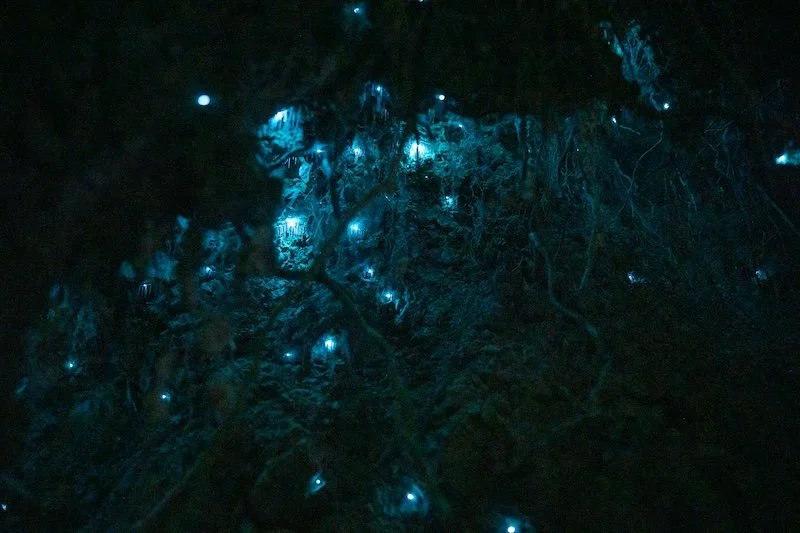
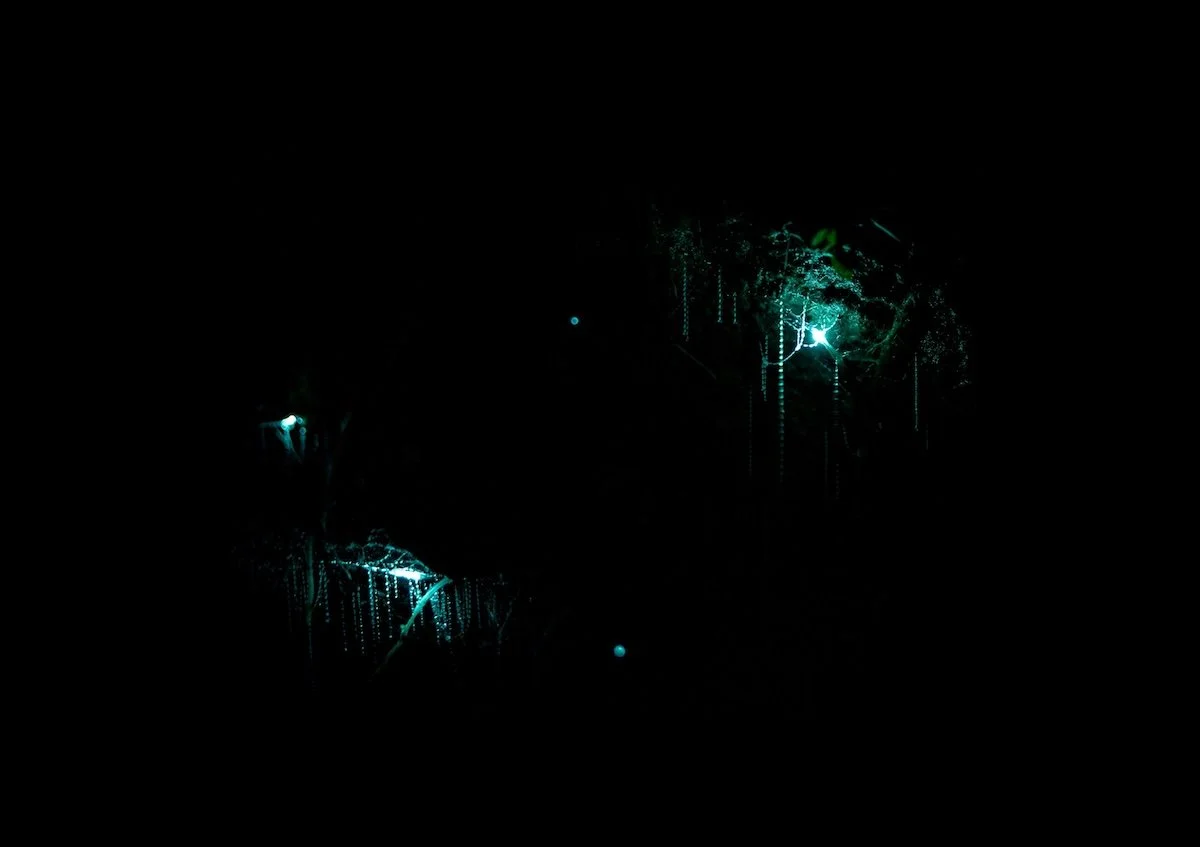
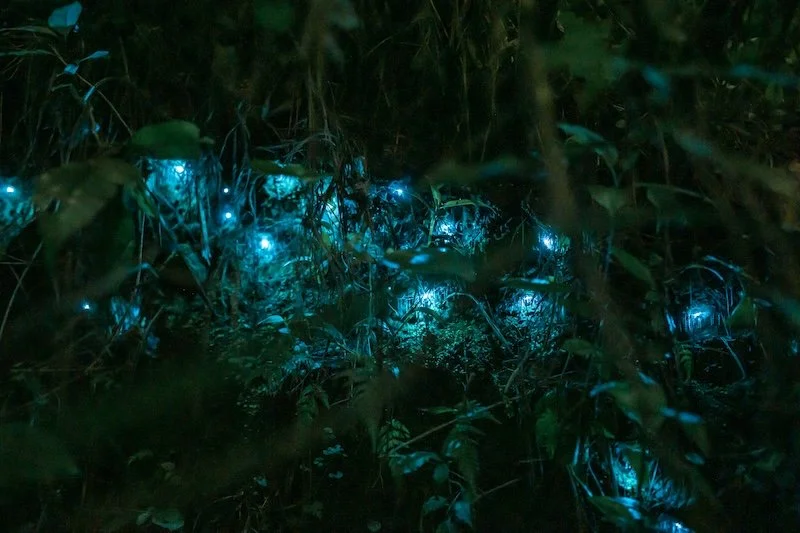
Tucked within the Great Otway National Park, there is a place where the forest quite literally glows. Melba Gully is a beautiful temperate rainforest walk by day, but arguably more impressive by night. This damp gully is the perfect conditions for glow-worms, whose eerie blue-ish light appears along embankments and inside tree trunks once darkness settles. This is one of the most accessible places to see glow worms in Australia, as it is 2WD accessible, a short walk, and you don’t need to pay for a guided tour. You’ll need to walk carefully, without torchlight, because your eyes need to adjust to the darkness to see the glow. But please make sure you don’t shine your torch on the glow-worms, they are sensitive to light.
Snapshot science
Glow worms found in Victoria are the larval stage of a fungus gnat called Arachnocampa flava. Their light is a form of bioluminescence, created through a chemical reaction involving luciferin and oxygen. The glow attracts small insects, which become trapped in silk threads suspended around the larvae, acting like a natural fishing line.
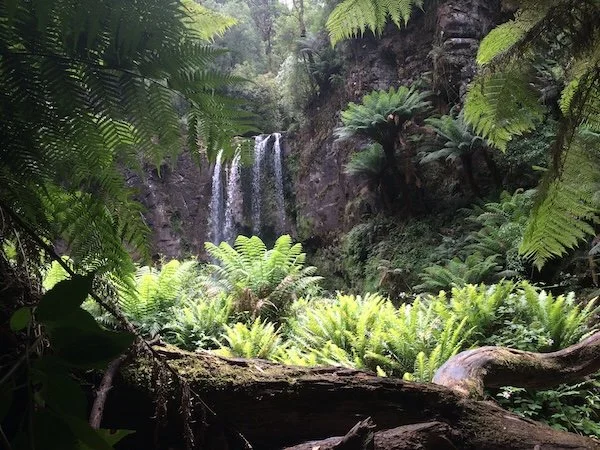
Do go chasing waterfalls
The ocean is not the only impressive water along the Great Ocean Road! Roughly an hour inland, waterfalls are dotted amongst the temperate Otway rainforest. My favourites are:
Hopetoun Falls walk
Location: Hopetoun Falls
Distance: ~1 km return
Time: 20 to 30 minutes
Elevation gain: ~80 m (mostly stairs)
Track type: Out and back
Triplet Falls walk
Location: Triplet Falls
Distance: ~2 km loop
Time: 40 minutes to 1 hour
Elevation gain: ~120 m
Track type: Loop
Erskine Falls walk (base track)
Location: Erskine Falls
Distance: ~1 km return (from lower car park)
Time: 20 to 30 minutes
Elevation gain: ~70 m
Track type: Out and back
In the depths of the Otways, there’s often no reception. I love having my All Trails app to download the offline version of the trail so that I can track where I am. You can get a discount on All Trails with my code: https://tr.ee/-aIOgB_NRz
*This is an affiliate link that I may earn a small commission from at no extra cost to you. Using affiliate links helps keep this nature content free for everyone :)
Beauchamp Falls walk
Location: Beauchamp Falls
Distance: ~3 km return
Time: 1 to 1.5 hours
Elevation gain: ~180 m
Track type: Out and back
Snapshot science
The Otways support cool temperate rainforest, an ecosystem that depends on consistent moisture and low fire frequency. Species like myrtle beech (Nothofagus cunninghamii) are remnants of ancient Gondwanan forests. These environments store significant amounts of carbon due to dense vegetation and slow decomposition in cool, shaded conditions.
Thanks for reading friends! Enjoy exploring our wondrous world x