
Long weekend free camping in Victoria
Free campsites in Victoria for last-minute long weekend escapes
Need last-minute long weekend camping inspiration? Free camps across Victoria are often the easiest option when paid sites are booked out. Many are first come, first served, located in public land, and surrounded by some of the state’s most impressive landscapes.
Below are five free camping options, with access notes, safety considerations, and practical tips to help you plan.
* This is by no means intended to be a fully comprehensive guide. Camping and outdoor activities contain risk and should be approached at own risk.
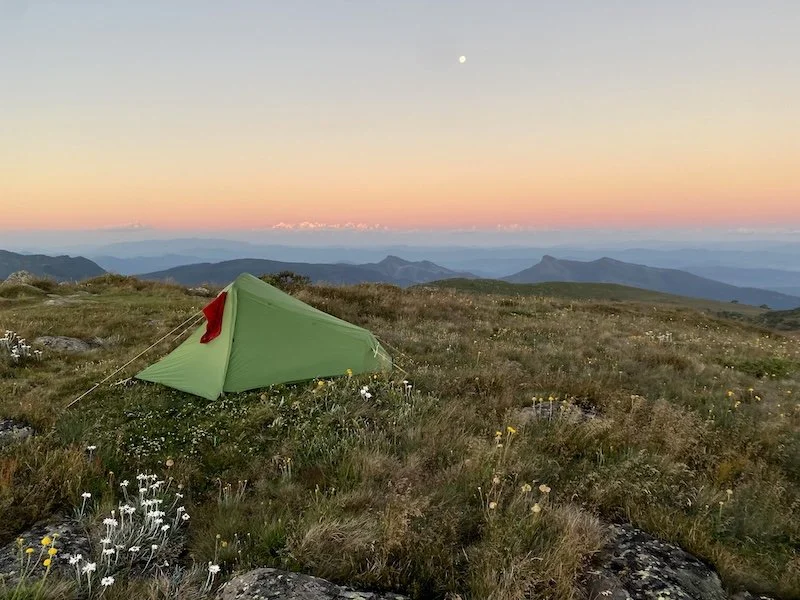
Wonnangatta station campground (Billabong)
Location
Wonnangatta Valley, Alpine National Park, East Gippsland.
Access
High-clearance four-wheel drive is strongly recommended. Access is via steep, rough alpine tracks such as Zeka Spur Track or Herne Spur Track. Roads are often closed seasonally and may become impassable after rain. No facilities.
Top things to do
Explore historic Wonnangatta Station ruins
River swimming and fishing (seasonal)
Four-wheel driving
Wildlife spotting
Distance from Melbourne
Approximately 350 km. Allow 8 to 10 hours depending on track conditions.
Safety considerations
No mobile reception
Weather can change rapidly
Carry recovery gear, maps, and sufficient food and water
Check road closures before departure
Nature fact
The Wonnangatta Valley is one of the most remote valleys in Victoria and sits within a landscape shaped by alpine uplift and river erosion over millions of years.
Environmental responsibility tips
Camp only in existing clearings
Keep vehicles on formed tracks
Pack out all waste
Avoid disturbing historic structures
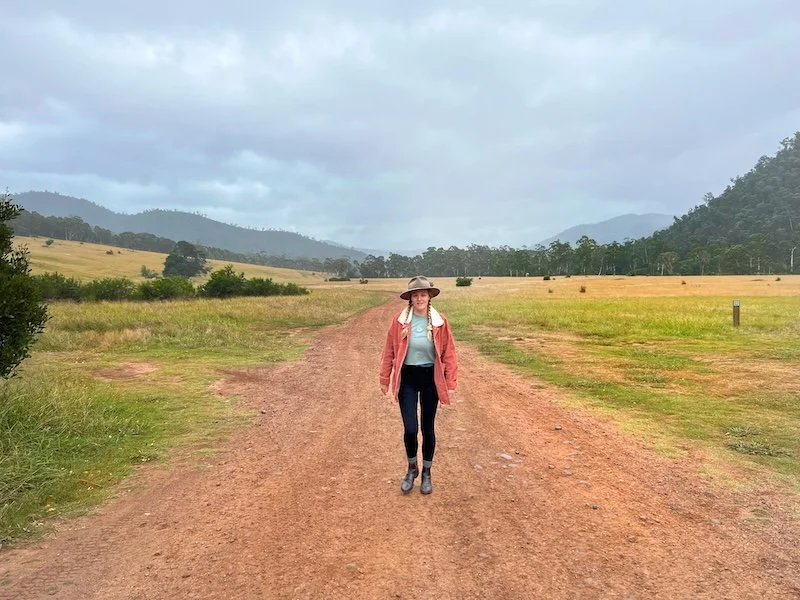
Dispersed camping, Alpine National Park
Location
Various locations throughout Alpine National Park.
Access
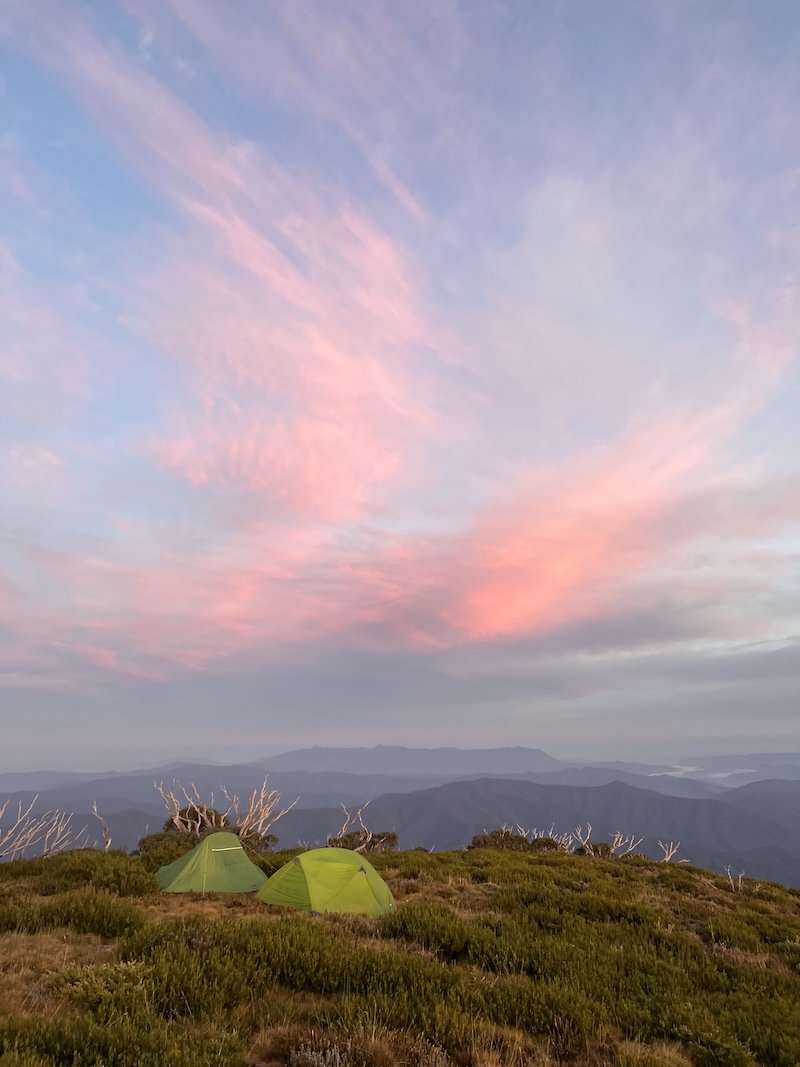
Four-wheel drive required. Dispersed camps are found along designated tracks and rivers. Camping is not permitted in environmentally sensitive areas or where signage prohibits it.
Top things to do
Backcountry camping
Hiking and ridge walks
Fishing in alpine streams
Photography
Distance from Melbourne
Varies by location. Most areas are 250 to 350 km from Melbourne.
Safety considerations
No facilities or water treatment
Fire restrictions apply seasonally
Navigation skills required
Sudden alpine weather changes
Nature fact
Alpine National Park protects Australia’s largest alpine ecosystem, supporting snow gums, sphagnum bogs, and rare species such as the mountain pygmy possum.
Environmental responsibility tips
Camp at least 20 m from waterways
Use a portable toilet where possible
Never create new fire pits
Follow Leave No Trace principles
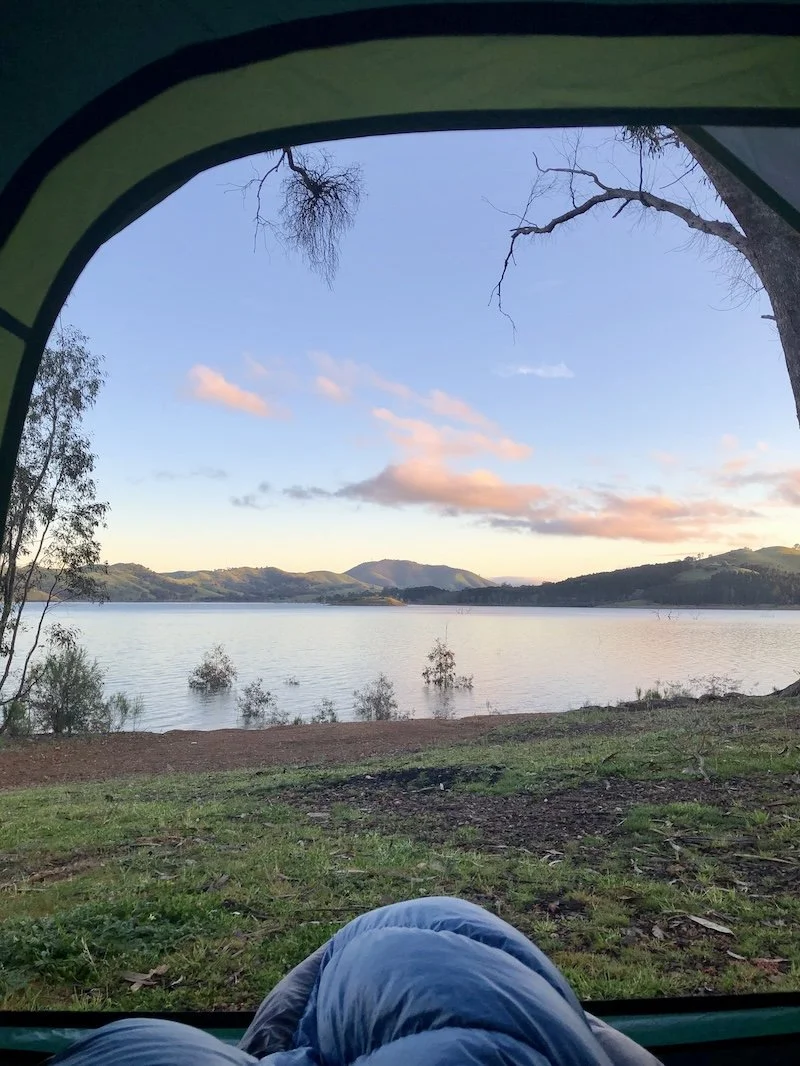
Lake Eildon foreshore camping
Location
Lake Eildon National Park, near Mansfield.
Access
Two-wheel drive accessible to many foreshore camps, including Devil Cove and Candlebark.
Some areas require short walks from parking. No bookings required.
Top things to do
Swimming and kayaking
Fishing
Boating (conditions permitting)
Sunset and lakeside photography
Distance from Melbourne
Approximately 150 km. Around 2.5 hours’ drive.
Safety considerations
Water levels fluctuate significantly
Limited shade in some areas
Strong winds can affect boating
Nature fact
Lake Eildon is Victoria’s second-largest reservoir and plays a major role in irrigation and water supply for northern Victoria.
Environmental responsibility tips
Camp above high-water marks
Avoid damaging shoreline vegetation
Use existing access points
Dispose of waste appropriately
Lake Cobbler campground
Location
Alpine National Park, near Mount Cobbler.
Access
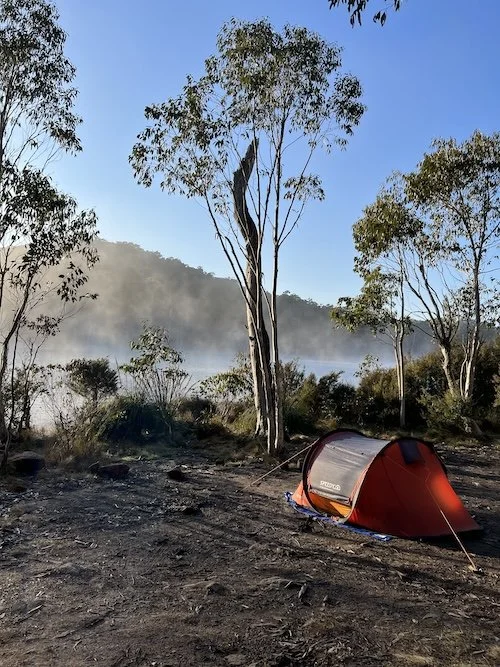
Four-wheel drive required. Access via rough alpine tracks. Short walking tracks connect the campground to nearby features. Drop toilets available.
Top things to do
Hiking Mount Cobbler
Exploring Lake Cobbler and Dandongadale Falls
Swimming in warmer months
Stargazing
Distance from Melbourne
Approximately 300 km. Allow 6 to 7 hours.
Safety considerations
Track conditions can deteriorate quickly
Limited emergency access
Nature fact
Lake Cobbler is a man-made lake, but it is just next door to Victoria’s tallest waterfall, Dandongadale Falls — 225m tall! The falls are often a great spot to sight Peregrine Falcons.
Environmental responsibility tips
Stay on designated walking tracks
Use provided toilets
Avoid trampling alpine vegetation
Respect seasonal track closures
Stevensons Falls campground
Location
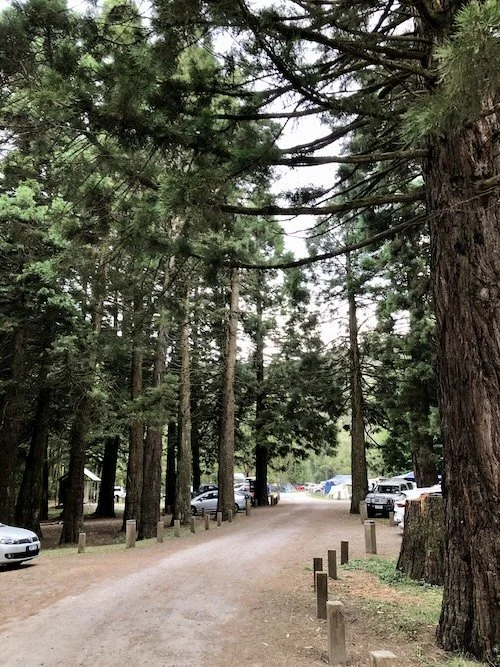
Great Otway National Park, near Lorne.
Access
Two-wheel drive accessible via sealed roads. Short walking tracks lead to the falls. Toilets available. No bookings required.
Top things to do
Short walk to Stevensons Falls
Short rainforest hikes
Birdwatching
Explore nearby Great Ocean Road attractions
Distance from Melbourne
Approximately 190 km. Around 3.5 to 4 hours’ drive.
Safety considerations
Slippery tracks near waterfalls
Leeches common after rain
Bushfire risk in summer
Nature fact
The Otways are part of a temperate rainforest system that receives some of the highest rainfall in Victoria, supporting ancient fern and myrtle beech forests.
Environmental responsibility tips
Stay on formed tracks
Do not enter restricted waterfall areas
Secure food from wildlife
Carry out all rubbish
Final planning note
Free camps are a privilege, not a guarantee. Conditions can change quickly, and popular long weekends increase pressure on fragile environments. Always check Victorian National Park and Vic Emergency alerts before you leave and be prepared to change plans if conditions require it.
Our nature is our home, always leave it better than you found it :)