
Victoria’s hidden fairy forests
8 fern gully walks to inspire your Melbourne weekend adventures
A note on nature…
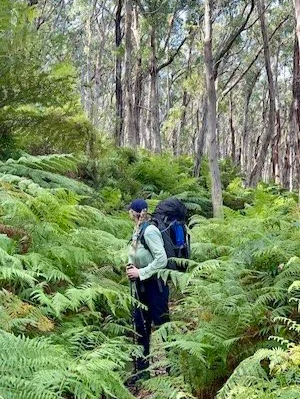
Few plants can claim they were alive with the dinosaurs.
Ferns can!
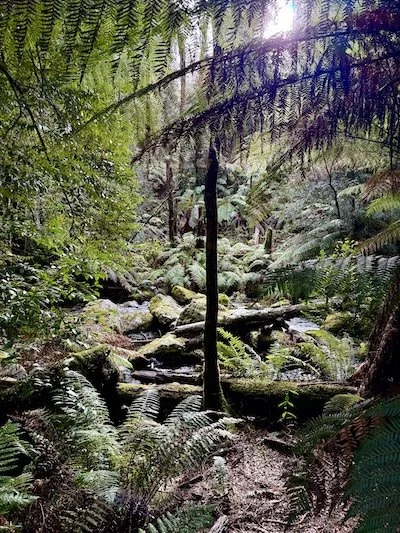
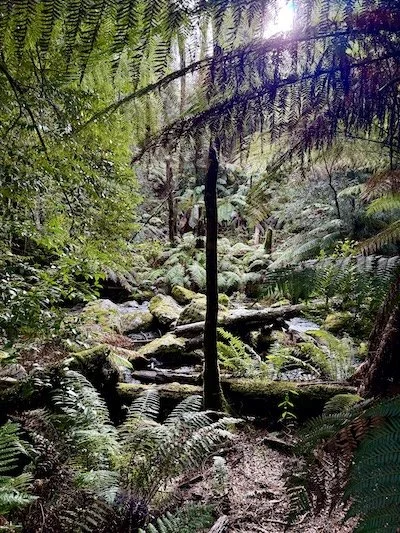
Walking among ferns transports you into another world, a Jurassic landscape or a fairy forest. Victoria is home to a remarkable diversity of ferns, from delicate ground ferns to towering tree ferns that can grow several metres tall. If you're looking to immerse yourself in some of Victoria's most spectacular fern landscapes, here are five walks worth adding to your list.
Best Gippsland forest walks
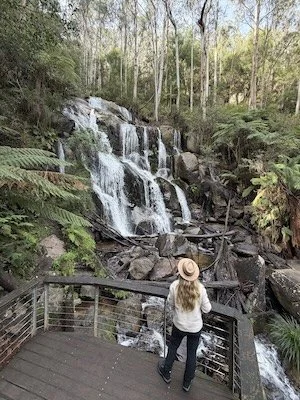
📍 Toorongo Falls Reserve, Gippsland
🌿 A magical rainforest walk through fern-filled gullies, towering trees and lush temperate forest.
🥾 3km loop walk (approx. 1–1.5 hours) through the reserve.
💦 See two waterfalls along the trail: Toorongo Falls and Amphitheatre Falls.
🌱 Keep an eye out for tree ferns, mosses and fungi thriving in the cool, damp forest environment.
🐶 Dog friendly (on-lead).
Learn more: The walk to Toorongo Falls takes visitors through a forest rich with mosses, fungi and ferns. The combination of waterfalls, creek lines and shaded gullies helps maintain the damp conditions that ferns need to flourish. The loop walk passes both Toorongo Falls and Amphitheatre Falls,
with sections of the track lined by impressive tree ferns that create a distinctly rainforest-like atmosphere.
📍 Tarra-Bulga National Park, Gippsland
🌿 One of Victoria’s best rainforest walks, with towering mountain ash, myrtle beech trees and lush fern gullies.
🥾 Try the Corrigan Suspension Bridge Walk (2.4km return) through cool temperate rainforest.
🌧️ Best after rain when the moss, waterfalls and ferns are at their most vibrant.
🦘 Keep an eye out for lyrebirds and other rainforest wildlife.
Learn more: Tarra-Bulga National Park is one of Victoria's best destinations for fern enthusiasts. Located in South Gippsland, the park protects cool temperate rainforest where giant tree ferns thrive beneath a dense canopy of myrtle beech and mountain ash. The Corrigan Suspension Bridge Walk is a popular option, winding through lush rainforest and offering excellent opportunities to walk among towering fern gullies. The moist conditions and sheltered environment create ideal growing conditions for many fern species.
Fairytale walks in the Yarra Valley and Dandenong Ranges
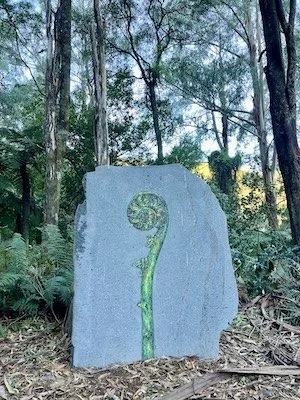
📍 The Ada Tree Loop, Yarra Ranges National Park
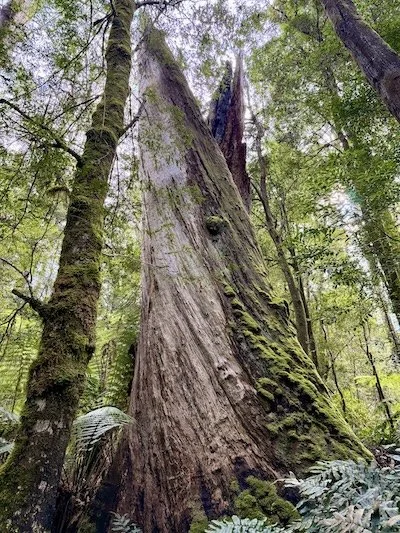
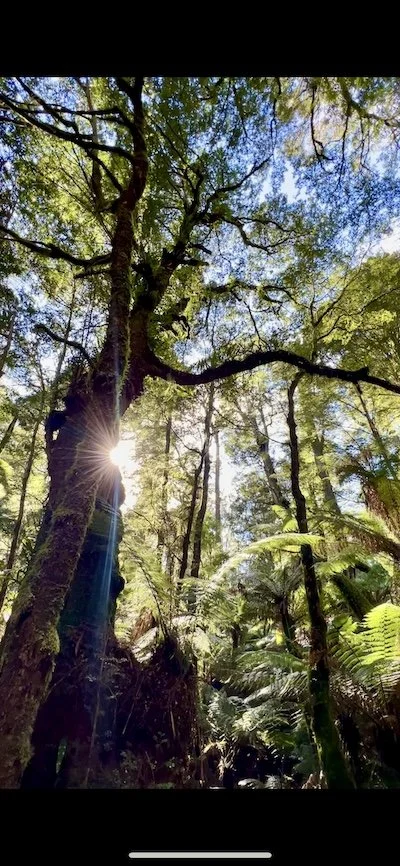
🌲 Step into an ancient forest home to one of Victoria’s largest and oldest trees, the incredible Ada Tree.
🥾 3.6km loop walk through a beautiful mountain ash and rainforest environment.
🌿 Wander beneath towering trees surrounded by lush ferns, moss-covered logs and a cool forest canopy.
⏳ The Ada Tree is estimated to be more than 300 years old, offering a glimpse into Victoria’s ancient forests.
Learn more: The Ada Tree is one of Victoria’s most iconic ancient trees, located within the Yarra Ranges National Park’s cool, wet forests. The surrounding landscape is a beautiful example of a temperate rainforest ecosystem, with towering mountain ash, lush ferns and moss-covered logs creating a prehistoric feeling beneath the canopy.
📍 Beeches Rainforest Walk, Lady Talbot Drive, Marysville VIC
🚗 Park at Taggerty Cascades car park (unsealed road, 2WD fine in dry weather). Toilets available at The Beeches car park.
🥾 Short walk at Taggarty Cascades or try the
🥾4km Beeches Rainforest loop (approx 2 hours). Trail is a bit rough!
🌿 Myrtle Beech Trees are living fossils from the age of Gondwana and were once found on Antarctica, when it was a rainforest!
Learn more: The forests surrounding Marysville are famous for their towering mountain ash forests and beautiful fern-filled gullies. The cool, wet conditions allow ferns, mosses and fungi to thrive beneath the canopy, creating a lush rainforest environment. The nearby Taggerty Cascades and forest trails offer a beautiful glimpse into the biodiversity of the Yarra Ranges after exploring the region’s mountain landscapes. Also nearby is one of the most accessible walks: the short trail to Steavenson Falls, one of Victoria's highest waterfalls.
📍 Sherbrooke Forest, Dandenong Ranges National Park
🌿 A fern-filled rainforest experience just over an hour from Melbourne.
🥾 Try the Sherbrooke Forest Loop (7.1km) or the shorter Sherbrooke Falls Walk (2.4km return).
🌳 Walk beneath towering mountain ash trees surrounded by lush tree ferns.
🦜 Listen for the calls of lyrebirds hiding among the understorey.
Learn more: Just over an hour from Melbourne, Sherbrooke Forest offers one of the easiest ways to experience a fern-rich forest. Walking tracks weave through wet forest dominated by mountain ash and blackwood, while tree ferns form a lush understorey. The area is especially beautiful in the early morning when mist settles among the fronds, creating a landscape that feels a world away from the city.
📍 Doongalla Forest, Dandenong Ranges National Park
🌿 A hidden fern-filled corner of the Dandenongs, with towering mountain ash trees and lush rainforest understorey.
🥾 Try the Doongalla Picnic Ground via Stables and Camelia Tracks (approx. 5.8km loop) for a longer forest walk.
🌱 Look out for tree ferns, maidenhair ferns and other rainforest plants growing beneath the canopy.
🦜 Keep your eyes open for lyrebirds and native birds among the dense forest.
Learn more: The tracks around Doongalla pass through tall forest where sunlight filters through the canopy, creating the perfect conditions for mosses, fungi and moisture-loving plants. It is also a great area for spotting native birds, including the elusive superb lyrebird.
Best garden in Mount Macedon Easy walks on the Great Ocean Road — Otways
📍 Maits Rest Rainforest Walk, Great Otway National Park
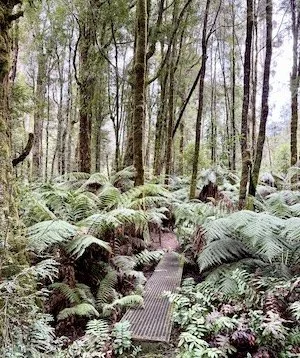
🌿 One of Victoria’s most enchanting rainforest walks, with ancient myrtle beech trees and dense fern-filled gullies.
🥾 1km loop walk (about 30 minutes) on a gentle boardwalk and track.
🌲 Explore a living rainforest ecosystem that has remained protected for thousands of years.
💧 The cool, damp conditions create the perfect environment for ferns, mosses and fungi.
✨ Visit at night for a whole new experience and spot glow worms along the trail edges!
Learn more: Maits Rest protects a rare pocket of cool temperate rainforest within the Great Otway National Park. Most of the rest of the area has been lost to logging over the years, but this short loop walk winds through an ancient ecosystem filled with towering myrtle beech trees, giant tree ferns, mosses and fungi. The rainforest here survives because of the Otways’ high rainfall and sheltered gullies, which help maintain the moist conditions these plants need. The result is a landscape that feels worlds away from the nearby coastline, with a forest structure that has developed over thousands of years.
📍 Forest Glade Gardens, Mount Macedon
🌿 A magical fern-filled garden walk surrounded by cool climate rainforest plants.
🥾 Wander the garden paths and explore the lush fern collections and mossy landscapes.
🌲 Home to exotic and native plants, including beautiful tree ferns that thrive in the cool conditions of Mount Macedon.
🍂 Best visited in autumn when the surrounding forests put on a spectacular display.
Learn more: Mount Macedon’s volcanic soils, elevation and higher rainfall create a unique environment compared with surrounding lowland areas, making it an ideal location for cool-climate plants. The garden is especially spectacular during autumn when the surrounding forests transform with colour.
The science behind these ancient plants
Unlike flowering plants, ferns do not reproduce using flowers, fruits or seeds. Instead, they reproduce using tiny structures called spores. Many fern species produce spores on the underside of their fronds in small clusters called sori. When conditions are suitable, these spores are released (via a mini catapult) and then dispersed by the wind.
If a spore lands in a moist environment, it can germinate into a tiny heart-shaped structure known as a gametophyte. This stage is very different from the familiar fern plant. After fertilisation occurs, a new fern begins to grow and eventually develops into the leafy plant we recognise.
Ferns have an exceptionally long evolutionary history. Scientists estimate that the earliest fern ancestors appeared more than 360 million years ago, meaning these plants were already established long before dinosaurs evolved. Their ability to reproduce via spores and thrive in shaded, moist environments has helped them persist through dramatic changes in Earth's climate and ecosystems.
The next time you walk through a Victorian fern gully, take a moment to look closely. You're not just admiring a beautiful plant. You're seeing part of a lineage that has survived on Earth for hundreds of millions of years
A final note… :)
Please always leave our nature better than you found it. How? Pick up some rubbish, stay on paths, and don’t approach wildlife.
Please always exercise caution when exploring, check weather and track conditions ahead of time and always explore within your own limits.
Hope you enjoy exploring our beautiful world, friends!