
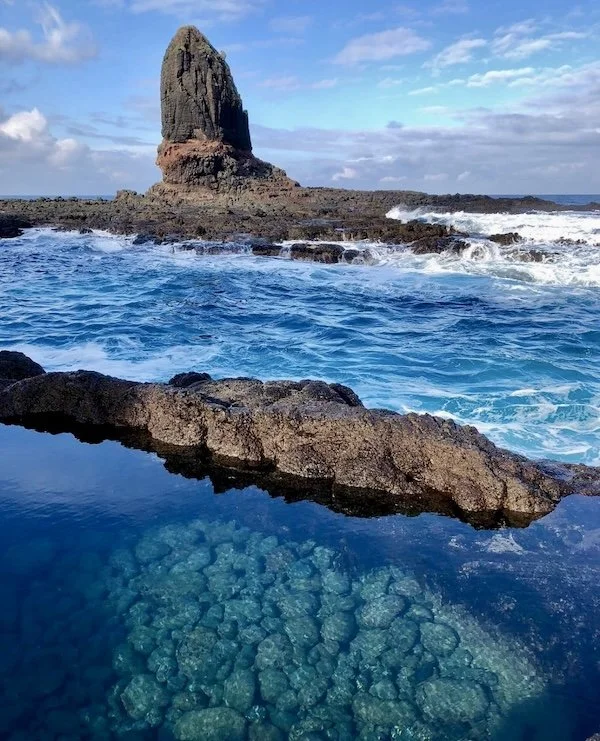
Rock pools are a great way to cool off in summer and connect with nature.
They are often home to an array of fascinating, colourful marine life that can be explored by peering into rocky platforms or by donning a snorkel and exploring beneath the surface where conditions are safe.
Rock pools are a really uniquely special part of our marine ecosystem. They are part of the intertidal zone, an area of coastline that experiences dramatic environmental changes as the tides rise and fall. As rock pools trap seawater during low tide, they provide habitats for a surprisingly diverse range of species, many of which have adapted to survive rapid changes in temperature, salinity and oxygen levels.
Rock pools can be beautiful places to cool off, but you need to be well aware of your swimming abilities and the marine conditions to ensure it is safe to do so.
From the Mornington Peninsula to Bass Coast, here are five of my favourite rock pools to explore in Victoria this summer.
1. Cairns Bay rock pool
Cairns Bay is a beautiful stretch of coastline on the Mornington Peninsula, with rocky platforms and natural pools that are exposed at low tide.
Location
Cairns Bay is located on the southern Mornington Peninsula between Cape Schanck and Flinders, near Boneo Road.
Driving time from Melbourne
Approximately 1 hour 30 minutes from the Melbourne CBD.
How to access
Access is via the Cairns Bay walking track from the coastal reserve near Boneo Road. The track passes through coastal bushland before descending steeply towards the rocky shoreline, where pools form at low tide.
Snapshot Science
Rock pools can be home to sea anemones, marine snails and crabs. Look closely at the rocks and you might spot animals hiding in crevices, where they can shelter from waves, predators and exposure to the sun.
2. Blairgowrie (Bridgewater Bay) rock pool
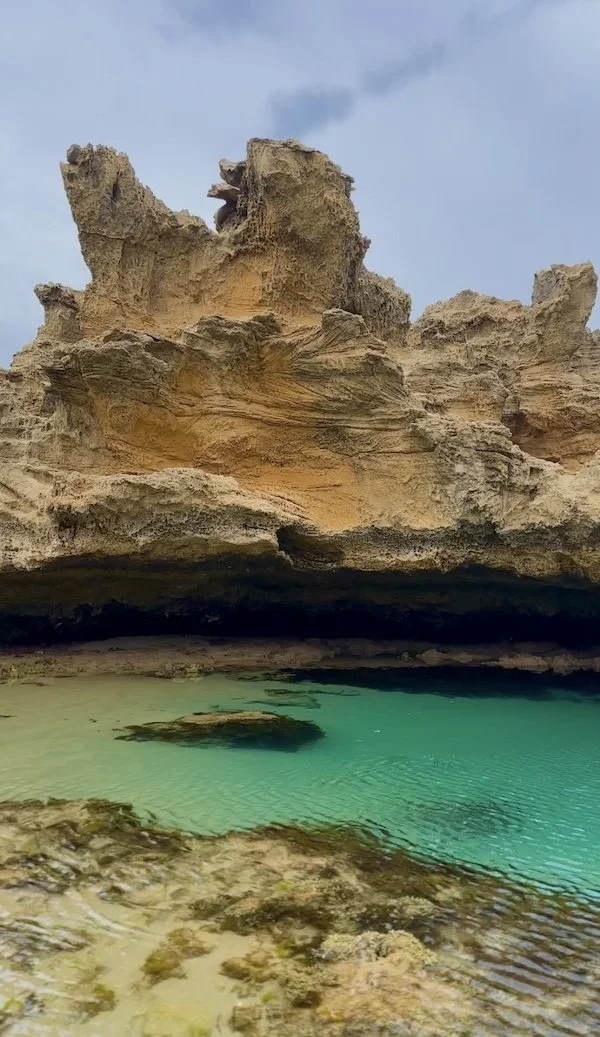
Bridgewater Bay is one of the Mornington Peninsula's best-known rock pool locations, with a large natural pool surrounded by rocky platforms.
Location
The rock pool is located at Bridgewater Bay on the ocean side of Blairgowrie, on the Mornington Peninsula.
Driving time from Melbourne
Approximately 1 hour 30 minutes from the Melbourne CBD.
How to access
Access is via the small car park at the end of St Johns Wood Road. A walking track and staircase lead down towards the beach and adjacent rock platforms.
Snapshot Science
The animals living in rock pools must cope with constantly changing conditions. As the tide recedes, water trapped in shallow pools can heat up, experience changes in salinity due to evaporation or rainfall, and fluctuate in oxygen levels. Many intertidal species have special adaptations that help them survive these changes.
3. Cape Schanck rock pools
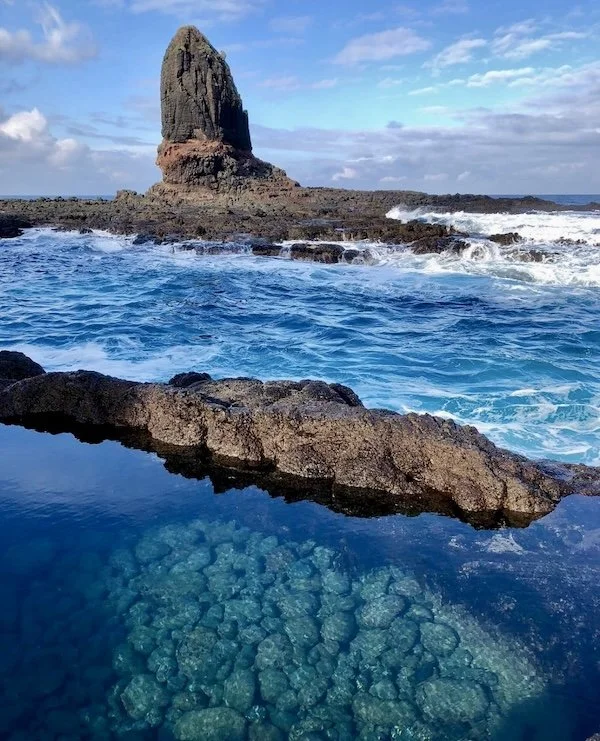
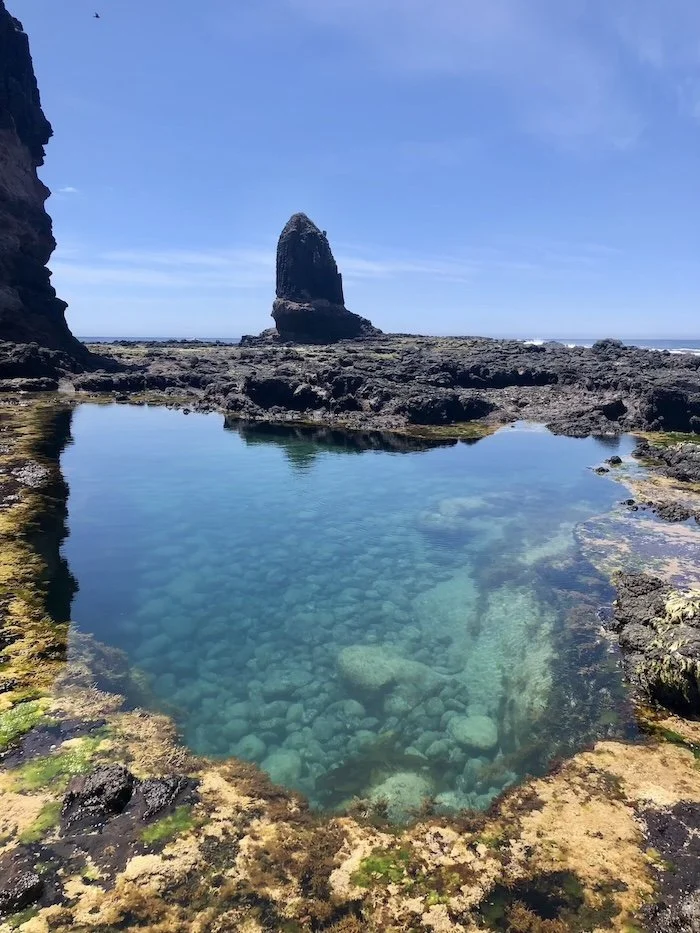
Cape Schanck is a spectacular stretch of coastline on the Mornington Peninsula, with volcanic rock formations, dramatic cliffs and rock pools that can be explored at low tide. The area is exposed to powerful waves, so swimming is not recommended by Parks Victoria.
Location
Cape Schanck is located at the southern tip of the Mornington Peninsula, within Cape Schanck Lighthouse Reserve.
Driving time from Melbourne
Approximately 1 hour 30 minutes from the Melbourne CBD.
How to access
Park at the Cape Schanck Lighthouse car park and follow the walking track towards the cape. A wooden staircase and boardwalk descend to the rocky beach and rock platform, where rock pools can be explored at low tide when conditions are safe. Allow approximately 45 minutes for the return walk and exploring the area.
Snapshot Science
Cape Schanck has a fascinating volcanic history! The dark basalt rocks along the coastline were formed from ancient lava flows. Over millions of years, geological movements and erosion have shaped the dramatic cliffs and rock formations you see today, including Pulpit Rock and the Devil's Desk.
4. Sorrento Back Beach rock pool
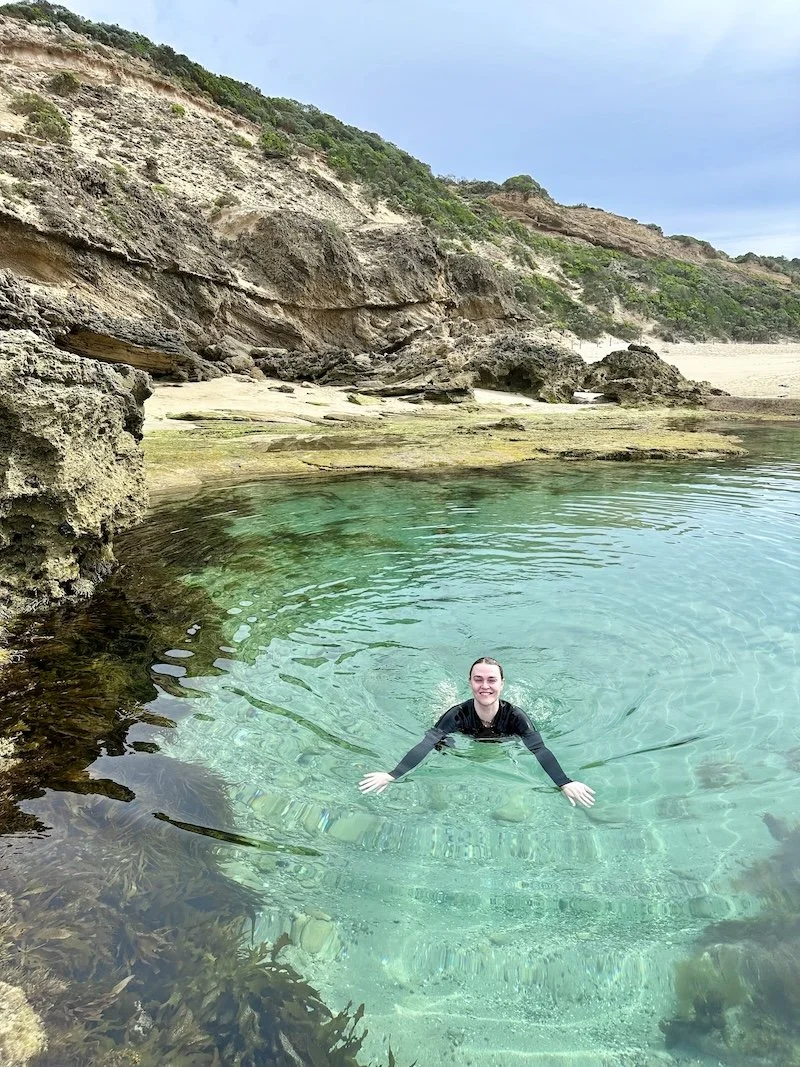
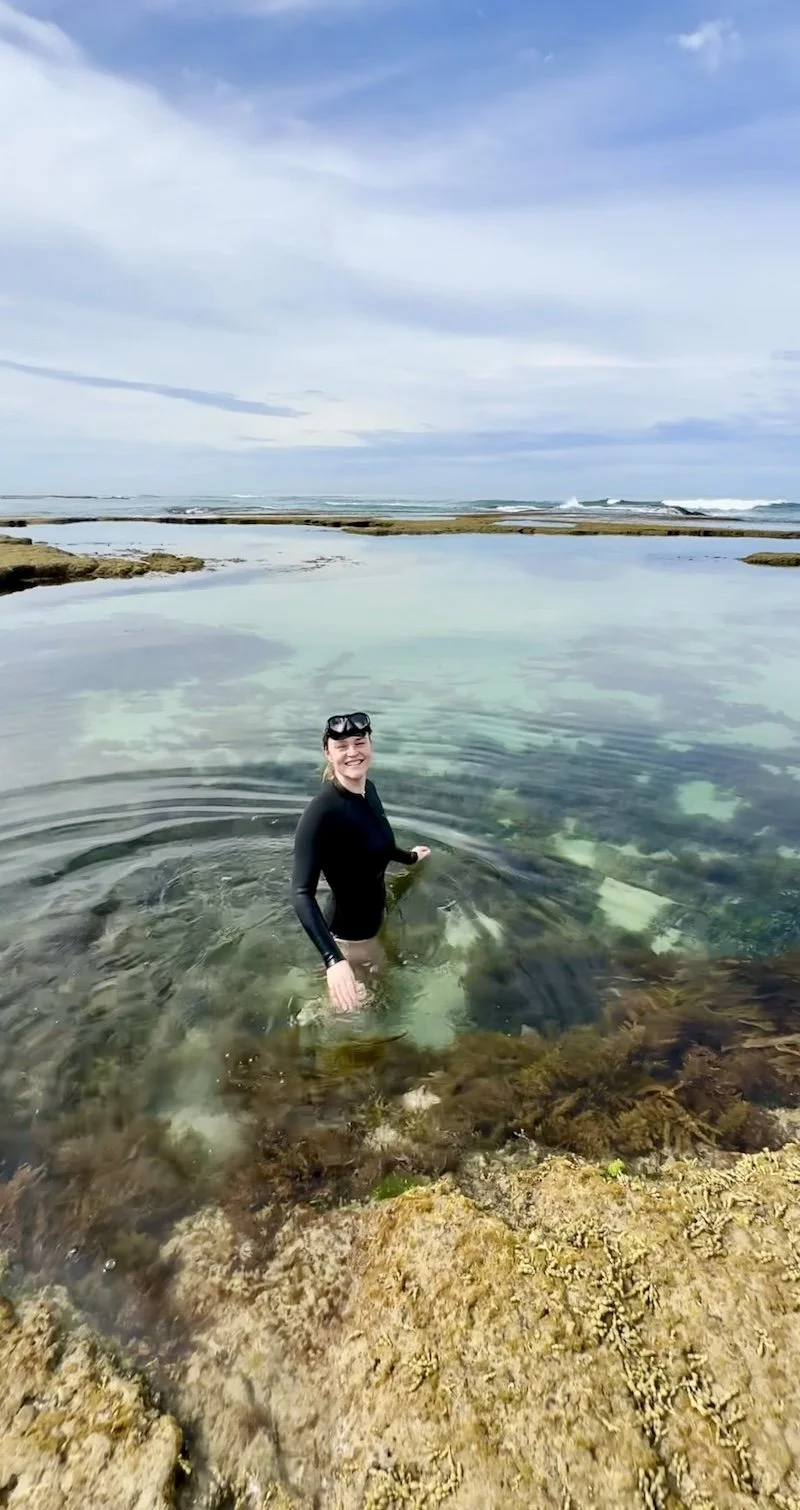
Sorrento Back Beach is a popular coastal destination with sandy beaches, rocky platforms and natural pools that become visible as the tide recedes.
Location
Sorrento Back Beach is located on the Bass Strait side of the Mornington Peninsula near the township of Sorrento.
Driving time from Melbourne
Approximately 1 hour 30 minutes from the Melbourne CBD.
How to access
Public car parking is available at Sorrento Ocean Beach, with walking access to the beach. Rock pools appear along sections of the shoreline and rock shelves when the tide recedes.
Snapshot Science
Have you ever spotted a sea anemone in a rock pool? These colourful animals might look like plants, but they're actually related to jellyfish and corals. Their tentacles contain specialised stinging cells called cnidocytes, which help them capture small prey.
5. Bushrangers Bay rock pool
Bushrangers Bay is a spectacular stretch of coastline surrounded by coastal cliffs and bushland within Mornington Peninsula National Park.
At low tide, the rocky shoreline reveals small pools where visitors can observe marine life. However, the beach is exposed to dangerous surf, and swimming is not recommended by authorities.
Location
Bushrangers Bay is located within Mornington Peninsula National Park near Cape Schanck.
Driving time from Melbourne
Approximately 1 hour 30 minutes from the Melbourne CBD.
How to access
Access requires a coastal walk of approximately 2.5 to 3 kilometres each way from either the Boneo Road car park or the Cape Schanck Lighthouse precinct. Rock pools are scattered across the rocky shoreline at low tide.
Snapshot Science
Animals living in the intertidal zone must survive periods of being submerged underwater and exposed to the air. Some marine snails can seal their shells with a structure called an operculum, helping to reduce water loss when the tide goes out.
Rock pool safety and access tips
Packing tips
There are limited facilities at many locations, so bring water, sun protection, a rubbish bag and a basic first-aid kit.
Wear sturdy footwear with good grip, as rock platforms can be slippery, uneven and sharp.
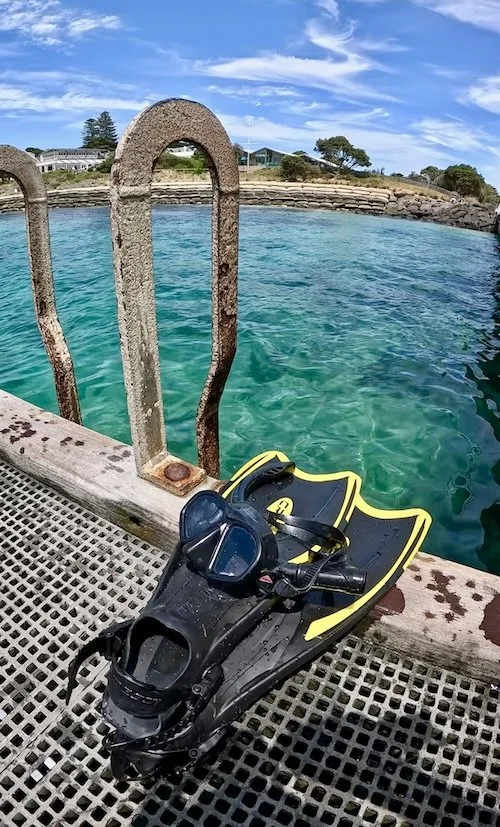
A snorkel and mask can also be useful for exploring marine life underwater, but only at locations where entering the water is safe and permitted.
Safety tips for nature
Always leave no trace! Leave marine life undisturbed to protect fragile intertidal ecosystems.
Don't take shells and rocks home as a memento. Take photos instead.
Avoid lifting or moving marine animals, and take care where you step to avoid damaging delicate organisms living on the rocks.
Safety tips for you
Rock pools are generally best explored around low tide, ideally when the tide is falling and conditions are calm. Always check local tide charts, weather and swell forecasts before visiting, as tide times vary across the coast.
Swim only where it is permitted and safe to do so, and always within your limits. Avoid exposed rock pools during large swells and always watch for rogue waves. Even on calm days, unexpected waves can wash across rock platforms.
Never turn your back on the ocean, and remember that not all rock pools are safe for swimming.
Disclaimer: This article is provided for general information and inspiration only and does not constitute swimming or water safety advice. Coastal conditions, including tides, swell and currents, can change rapidly, and not all locations are safe or suitable for swimming. Readers are responsible for assessing current conditions, following official safety advice and determining whether an activity is appropriate for their abilities. All activities are undertaken at the reader's own risk. The author accepts no liability for any injury, loss or damage arising from reliance on this article or participation in activities described.